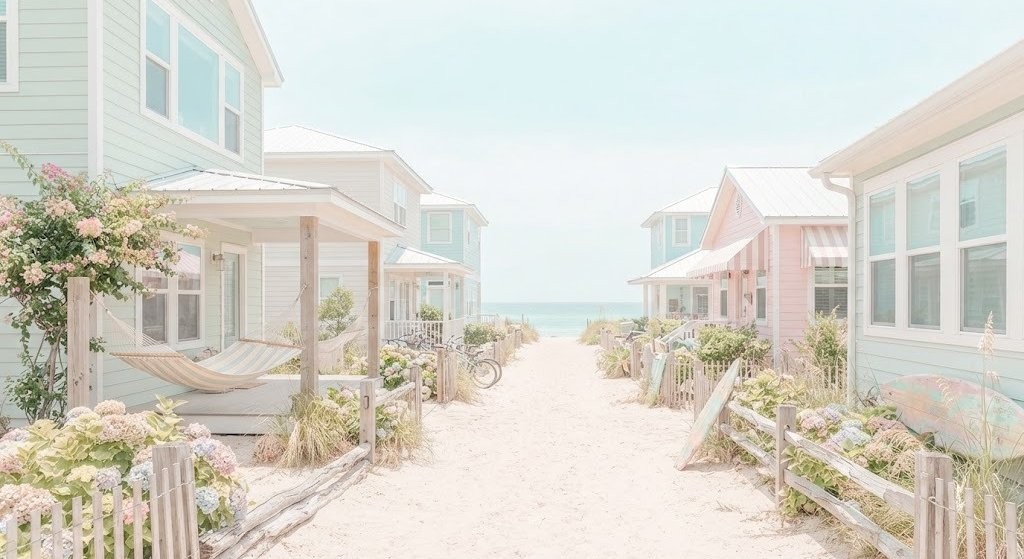
Autumn 2020, a sandy street on Isla Holbox with no cars on it, because the island has none. Walking a backpack across that sand in 34 degree heat, having just lost the friend the whole trip was planned around, is as specific a starting point as travel offers. The island, a quiet strip north of the Yucatan peninsula reached by shuttle buses and a boat after roughly four hours from the airport, is where a six month journey through Latin America either began or collapsed. What follows is how it began.
The resort era, and the reason it was almost never visited
For years Mexico meant one thing to many travellers: the all-inclusive resorts, an understandable style of travel that simply was not this one, a preference for exploring a country rather than sleeping inside a complex. That image nearly kept the island off the itinerary entirely. The trip happened because a friend wanted Mexico first and booked around it, and then, in the end, did not come. The flight existed, the dates existed, and the choice narrowed to going alone or not at all. Going anyway became the first and most consequential decision of six months.
Day one, the lowest hour
The nerves everyone asked about before departure had stayed absent until the moment the plane landed in Mexico City, at which point the reality of travelling alone, without a plan, without Spanish, arrived all at once. The first evening in a hostel room on the island produced the lowest point of the entire journey: never having felt more alone, sitting with the question of how anyone travels with total freedom after years of structured work and social life. The turn came from a blunt piece of self-talk, that mood and decisions remain your own property, and it produced a small, recoverable plan: talk to the people in the room, then find tacos, a cocktail and the beach.
The sunset invitation
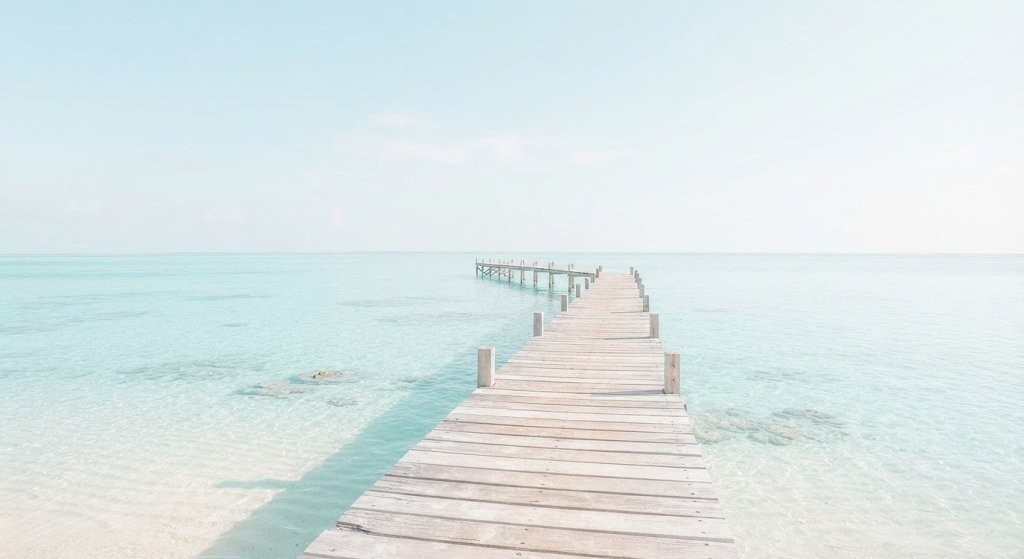
That evening, still lonely but steadier, the middle of the hostel communal area hosted a minor act of bravery: standing up and shouting an open invitation to the whole room to come to the beach for beers and the sunset. Instead of the one or two takers expected, nearly everyone put down their phones and books and came. That single night reorganised the week into kayaking groups, shared meals, flamingo visits, lagoon afternoons and sunset beers, and it is the moment the island itself became secondary to what it started.
- Traces of that first week still drawing travellers: the car-free sand streets, walkable end to end.
- The flamingo viewpoints and lagoons on the island's edges.
- The sunset beach, unchanged and reliably full of strangers becoming friends.
Day four, the alliance
Among the crowd on that first beach night was a girl from Manchester on her own first day, and the click was instant. The two travelled together, on and off, for five weeks across three countries. The lesson generalises to every solo trip since: you are never fully alone unless you choose to be, and the choosing-alone days are legitimate too. Independence, it turns out, is a dial rather than a switch.
The onward era, down the coast
From the island the route ran south along the Yucatan on the ADO buses, a genuinely good network that makes hopping between towns effortless. The weeks filled with the region's standard wonders: Chichen Itza, the cenotes, Mayan ruins, cycling between towns and the lake at Bacalar. Doubts about lasting six months kept surfacing and kept being outvoted by the company, the sights and the street food. The one lasting regret runs the other way: two weeks covered only the peninsula, because the Yucatan soaks up all the coverage thanks to Cancun and the coast, while other towns and cities across the country, other travellers kept insisting, hold far more than the brochure route shows.
Stand on that same sandy street today
For anyone copying the shape of these days, the practical version is short: book nothing beyond the first night, take the shuttle and boat in daylight, and walk the island once, slowly, before deciding anything. The island is small enough that four days is the natural unit, long enough for the hostel to become a village and short enough to leave before the comfort turns into an anchor.
and nothing about it announces any of this, which is exactly why it works as a monument: the island looks like a destination, but for anyone arriving alone in 2020 it was a test, and the four days described here are how the test got passed.